Content

Friday, March 11, 2022

Popularity of TikTok fuels social media addiction


By: Austin Carter

In a growing age of social media, TikTok has vaulted to the top of the conversation in terms of popularity and consumption, adding another layer to the issue of social media addiction. 

The video-based app became popular in 2018 after merging with a similar app called music.ly. TikTok’s popularity has grown considerably, sitting around an estimated 1 billion active users in January of 2022, according to Statista. 


Initially viewed as just a dance video app, its outreach and ability to be shared across various other platform has attracted a multitude of users. “I started seeing TikTok videos cross-posted to other platforms with incredibly interesting topics ranging from mental health to finances to comedy,” said Nefertiti Herbert, TikTok influencer. 


Herbert’s introduction to the app was similar to that of many others, transitioning from being skeptical initially to being fully engulfed upon downloading. As fulfilling as it was for her to become an influencer and reach an audience of over 100,000 followers, she realized she had to take a step back and evaluate her extreme usage of the app. 


TikTok is unique in the way that it attempts to keep its users on the app as much as possible. Its algorithm filters the content each user sees individually based on their activity on the app. The For You Page is an endless stream of tailor-made content that the app provides to its users to keep them consistently engaged. 


“I find spending more time on the app than I probably should,” said Gracie Griffith, TikTok user. “I have a time limit set on my phone for an hour per day, but I always end up extending it.” 


While social media use as a whole continues to rise and become the norm, TikTok’s specialized way of hooking its users can cause the procrastination of other priorities. “I put off things like homework, laundry, dinner and even sleep every day because of TikTok,” said Griffith. 


Social media addiction is classified as a behavioral addiction. One of the key criteria involved with this type of addiction is the obsession with social media to the point that it becomes a hindrance to other areas of someone’s life, according to Addiction Center. 


“Having such a wide variety of content at your fingertips in short, 15-second clips can have you mindlessly scrolling for way longer than you ever intended,” said Chris Schwartz, TikTok user. This seemingly endless loop of scrolling is caused by the feeling the users get from consuming the app’s content. 


Herbert described social media as a dopamine factory. The release of dopamine in a person’s brain is responsible for their feelings of pleasure. Essentially, social media is a “happy place” for people to escape to, and the rush of dopamine they receive each time they open the app keeps them continuously coming back for more. 


While Herbert has found considerable success on TikTok, she does warn that both new and current users alike should proceed with caution given how easily the app hooks people. 


“Reminding yourself to take a step back and examine the way your consumption is affecting you is extremely important,” Herbert said. 

The science behind sugar addiction

A row of snack cakes sits at the end of an aisle
in a college campus store. Photo By: Kaz Thomas

By: Kaz Thomas

Walk into a grocery store or gas station, and anyone looking for a quick snack can find sodas, frosted donuts and cheap candy. In the United States, people are consuming more sugar per day than ever before and becoming addicted to it.

Pre-packaged meals have sugar stealthily listed in the ingredients. For example, one can of Chef Boyardee mini ravioli contains six grams of sugar. Frozen chicken tenders are steeped in a sugar and salt brine for hours before being added to a flour mixture.

As unlikely as it seems, people can become addicted to sugar. With an increased amount of consumption per day, the risk runs higher.

During a busy day, a short food break is necessary to maintain energy. It might seem like a healthy snack, but in reality one Gatorade™ whey protein bar contains 60% daily value of sugar. Combined with that, a medium blue Powerade™ contains 41% to surpass the recommended amount in just one meal.

A quick energy boost from a protein bar or electrolyte drink can turn into reliance and cravings.

This happens because every time someone eats sugary substances, the body activates opioid receptors and releases dopamine, according to the NIH. It triggers a “reward circuit” in the brain, spurring a behavioral pattern tied to consuming more sugar.

“In medicine we use ‘addiction’ to describe a tragic situation where someone’s brain chemistry has been altered to compel them to repeat a substance or activity despite harmful consequences,” said Alan Greene, a pediatrician based in California.

Too much sugar does in fact have harmful side effects besides addiction. “Sugar activates the opiate receptors in our brain and affects the reward center, which leads to compulsive behavior, despite the negative consequences like weight gain, headaches, hormone imbalances, and more,” said Cassie Bjork, a registered dietitian.

The real problem comes into play when people do not understand how much of it they eat on a daily basis.


A single Fudge Round contains
96% daily value of sugar. Photo By: Kaz Thomas

Scanning around a typical college campus snack store, one could find shelves dedicated to various types of candy and cheap fountain drinks, as opposed to a basket of apples in a corner and pricey fruit and yogurt breakfast parfaits.

Two baskets of apples in a corner in front of
a soda machine. Photo By: Kaz Thomas

There is a way to break sugar addiction, but it takes time and effort. Michelle Hauser, a Harvard nutrition educator, recommends reducing sugar intake over time and replacing it with foods that are digested more slowly, such as whole grains and lean protein.

This method reduces blood sugar spikes and dips, evening out natural bodily processes and reducing cravings for processed sweets.

Despite the negative effects of too much sugar and the difficulty of breaking the habit, places that regularly serve college students such as in-building snack stores and restaurants do little to mitigate the potential of unhealthy habit building.

Demand drives supply here, and cheap sugary foods are what students crave.

“We order what sells the most,” said Zandra Young, assistant manager at Russell Union Gus-Mart. “If people want to buy it, that's what we have in stock.”

Trees on college campuses provide physiological, environmental benefits


By Joshua Jones

Trees can certainly add to the aesthetic of a college, but their benefits span far past their beauty for the students, faculty and staff that walk the campus.

Trees can boost both students’ mental and physical health, and make their area a quieter, cleaner and greener place to be.

Between commuters and pedestrians, colleges often have large parking lots and sidewalks that absorb heat from the sun and radiate it through the night, resulting in what is called an “urban heat island,” said David Husemoller, the sustainability manager at College of Lake County.

Husemoller said that trees “transpire,” a process he likened to the way that humans sweat, which lowers the temperature of the area around them through evaporative cooling.

Dropping temperatures up to 4 degrees Fahrenheit, trees can lead to reduced energy use and prevent heat-related deaths, according to Pitt Sustainability.

Trees can also protect biodiversity by providing a habitat for birds and pollinators, and they prevent urban flooding by managing stormwater.

Furthermore, trees with foliage that reaches the ground can be useful for noise reduction. Thicker mixed broadleafs and conifers can drop noise levels up to 10 decibels, according to The Washington Post.

In addition to these environmental benefits, student wellness is bolstered when trees are nearby, especially those who suffer from certain medical conditions.

According to The Nature Conservatory, trees can filter particulate matter through their leaves, resulting in cleaner air that reduces illnesses like asthma and heart disease.

They also absorb carbon dioxide through their food-making process called photosynthesis. A byproduct of this chemical reaction is the oxygen we breathe.

College can be particularly draining of students’ mental health, and according to Psychology Today, 1-in-5 college students suffer from anxiety or depression.

Research shows, though, that exposure to trees and green spaces can improve mental health, as well as increase performance in school, according to American Forests.

Maurice Coley, superintendent of grounds operations at Georgia Southern University, said the manicured look of his campus’s trees provides a sense of serenity.

“Take for example when there’s a new subdivision that’s been carved out and all the houses are there. Everything looks bland and open,” said Coley. “But with all the mature trees all together, it’s more inviting. It gives you a sense of relief, peace, calm.”

With all the positives trees offer, they can be a worthy investment for a college looking to improve its campus life, but they are by no means a cheap one.

Trees can cost hundreds of dollars to plant, and maintenance costs can be even steeper.

A tree in an urban landscape such as a college campus is going to be under some degree of stress, making it more susceptible to boring insects, said Chuck Dill, a tree expert for Southern Scapes Nursery in Statesboro, Georgia.

Dill added that if a tree becomes infested, a professional arborist would need to be called in to assess the situation, and treatment could cost $100 or more.

Further, trees could lead to hefty repair costs for structural damage, as roots can crack building foundations or sidewalks, said Coley.

Even with these potential expenses, though, trees can surely be a net positive asset. A study by Corinne Bassett at the University of Pennsylvania found that its trees saved the university over $60,000 in energy costs and stormwater runoff expenses, while generating around $80,000 in improved health outcomes from better air quality.

Through their biological processes and appearance, trees are a factory for improving the well-being of those nearby and cleansing the world around them, so their presence at a college or university is sure to render positive outcomes for those on campus.


Graphic by Joshua Jones


Plasma Donations Explained

By: F Liz Lavender

Plasma centers have become a popular way for individuals to give back to their communities, while also being financially compensated for their donations. Plasma donors can be given anywhere from $50 to $150 depending on their weight, as well as how many times they have donated.

The new plasma centers were strategically placed around locations that had high numbers of Covid-19 cases during the start of the pandemic. The financial benefits alone have caused a large amount of individuals to be willing to give plasma, but most are unaware of what is done with their blood samples after they leave the donation centers.

Former Georgia Southern Student, Matthew Daniel who is in his fourth year of medical school, described the process of getting plasma from a blood sample to its raw form. He noted that one of the main benefits of plasma treatment is how many medical issues and emergencies it can assist during the healing process.

One example was the use of plasma transfusions in trauma patients who have lost a lot of blood; plasma “can be given to increase their volume” as well as “give clotting factors they have lost” during traumatic incidents. Plasma transfusions can also benefit patients by giving them plasma that contains certain antibodies for diseases.

A specific example of one of these antibodies that Georgia Southern University nursing student Alyssa Solano notes, is that one benefit of donating plasma at this time is that people who donate who have previously had the coronavirus, can assist others by giving them the antibodies to fight off the coronavirus through their plasma donation. Which is a large assisting factor in the current state of the pandemic.

Daniel explained that, when giving blood, the sample is spun very quickly for 15 minutes on what is called a centrifuge machine. The spinning allows the machine to “separate the blood into three layers”. The three layers are “the red blood cells, the white blood cells, and the plasma”. He explained that the centrifuge is able to complete this separation by the different densities of the different layers. “The more dense an object is, the further down it will go,” so with plasma having the least amount of cells, making it the lightest, it will remain on top of the sample.

Once the samples have made it to hospitals they no longer are called “plasma”, it is referred to as FFP, meaning fresh frozen plasma. Which can be stored in medical labs for around one year.

Georgia Southern University senior, Josh Cobb, has personally given plasma in Savannah, Georgia, and claims he is planning to give more plasma this coming weekend. “I personally did it for the money, they gave me $150”. Cobb explained that a lot of other students around campus have also been giving plasma because of the compensation. Cobb is planning to donate locally this weekend at the Biomat plasma center on Fair Road.

Students or locals looking to donate must be 18 years or older, weigh at least 110 pounds, and have photo identification. Once those three steps have been completed, a donor will check in, go through a screening process, and have a physical exam before their actual donation and later compensation for their plasma. But, a new donor must donate twice in order for their plasma to be deemed safe for patient use.

When there is a heavy influx of donations, plasma can be stored for up to one year in a freezer making it last longer for when needed. The plasma is frozen in medical labs until it is determined where it will be sent to be the most beneficial. Plasma donations are not always kept in local hospitals.

While the plasma will be sent to other locations, it is still resent to local medical facilities if there is a need for more plasma in those areas. This way, donors can feel confident in knowing they have helped their community by donating.


Friday, February 11, 2022

Aquaponics in Georgia are integrating sustainability and efficiency


Native plant species and amphibians exist symbiotically in a pond system. Photo By: Kaz Thomas

By: Kaz Thomas

Aquaponics, a system of using fish or other aquatic species to grow alongside plants, has numerous potential benefits for agriculture in Georgia.

The practice combines aquaculture, which is raising fish in tanks, with hydroponics, raising plants in water. This system of agriculture has existed for a long time, with some examples being East Asian rice paddies benefitting from wild fish, and Aztec floating plant islands.

The process reduces water loss and nutrient runoff by creating a semi-closed ecosystem modeled from wild pond environments, which often have fish and aquatic plants living symbiotically. Symbiosis is a relationship between two species that benefits both.

Researchers at Georgia Southern University’s Sustainable Aquaponics Research Center are streamlining the process to discover efficient and sustainable ways to raise both plant and animal products.

“You feed the fish…it can be done with crustaceans as well. And then their waste goes directly into the water, and you have plants that have their roots suspended in the water,” said Brigette Brinton, the curator of SARC. “They absorb the nutrients and then of course grow really well because they have ready access to the nutrients and are well taken care of.”

The fish benefit as well, with contaminated water being naturally filtered by the growing plants. “That of course removes anything that would generally harm the fish, like the excess nutrients or ammonia from their waste, and so the water can cycle right back to the fish”, Brinton said.

SARC uses a 4,000-square-foot greenhouse to set up systems of both aquaponics and hydroponics.

There are several types of aquaponic systems, with three being Media Bed, Deep Water Culture (DWC) and Nutrient Film Technique (NFT).

Media Bed prioritizes a layer of rocks or soil for plants to root into, using embedded PVC pipes to provide nutrient-rich water flowing through the media. The technique is relatively simple and can be used by backyard gardeners.

Deep Water Culture uses a large water tank and floating rafts which plants grow on, with their roots suspended in nutrient rich water. SARC implements this technique with fish to aid nutrient production.

Nutrient Film Technique is similar to Deep Water Culture, with plant roots suspended in water. However, these plants are arranged in a vertical shelf with PVC pipe pumping through smaller, water-filled platforms.

Many edible plants such as lettuce, cucumbers and tomatoes can be grown using aquaponics. SARC partners with the Armstrong Southern Café to provide fresh vegetables for salads and sandwiches.

The long-term goal of SARC is to provide sustainability on the Armstrong campus and to act as a place of interdisciplinary research for students and faculty members.

The center also partners with nearby schools to educate students about aquaponics and more efficient methods of growing crops.

Dave Davies, the owner of Georgia Aquaponics Produce LLC. has a commercial use for the agriculture system. The business grows and sells aquaponic produce from DWC tanks, which Davies described as “A premium product. It's organic, and it tastes amazing, but it is twice as expensive.”

Aquaponics for commercial use have noticeable differences from research settings, primarily in costs. “Water is a minor cost because you only use 5% of the water that you would normally grow a crop with,” Davies said. The type of crop being grown is important, since it may require additional nutrients that the local water source cannot provide.

The largest cost is labor, which according to Davies, is “stopping it from taking off” in Georgia. “Most commercial growing operations now are mechanized, you put a tractor in and you plant 100 acres in a day. Aquaponics is very labor intensive,” Davies said.

Each system can be used efficiently, but the species within them are important. Smaller plants tend to do better in smaller systems, such as NFTs and Media Beds, while larger plants are best used in DWCs.

Improper PVC filtration can result in clogging from plant roots, underpowered water cycling and temperature fluctuations resulting in the loss of crops.

The balance of species and space is crucial in aquaponic systems, and too many of one or the other can result in failure.

“They grow too many fish and they don't have a big enough area to grow plants. What happens is that ammonia builds up in the tank because it's not being used,” said Davies. “It goes from ammonia, to nitrite to nitrate and there's not enough area for the plants to use all the ammonia that has been produced by the fish. Then the fish die, and the plants die.

Aquaponics has the potential to make gardening and farming in Georgia more efficient and sustainable. Further education, partnerships with schools, and workshops are the key to making the system more widespread.

“We need to start making people aware and start getting it sorted out because it is the future,” Davies said.

Extended research can result in higher yields of crops, efficient management of environmental challenges and deeper understanding of water ecology.

Consistently evolving CTE research has changed how concussions, player safety are viewed in football


By: Austin Carter

Football is one of the most popular sports in the United States, but developments regarding what is known about the severity of repeated head injuries cast a shadow on the sport. 

Chronic traumatic encephalopathy is the degeneration of the brain that occurs as a result of repeated injuries to the head and brain. This condition leads to impaired cognitive ability, as well as the possibility of mood and behavioral changes.


Overall, relatively little is known about CTE and its development, according to Mayo Clinic. This lack of knowledge contributes to more precautions being taken to prevent head injuries. 


CTE is not diagnosable in a living patient and is only able to be determined by an autopsy. While little is known about how it develops, the understanding of concussions allows researchers to connect the dots with symptoms. 


Statesboro neurologist Dr. Spencer Paterson explained that the shape and the location of certain parts of the brain contribute to the types of symptoms that arise from head injuries. “The frontal lobes and temporal lobes are particularly prone to injury,” Paterson said. “There’s bones at the bottom of the skull called petrous ridges and they make the temporal lobes very susceptible to injury.”


Paterson explained that these areas of the brain are important for cognition, mood, reasoning and memory. When the areas are injured repeatedly, these aspects of how a person functions can be heavily impacted.


Keenan Hellesto suffered seven concussions during his time playing football through high school. He attributes his current problems with his memory to those injuries. “I struggle with major memory issues,” Hellesto said. “Short term and long term memory have both been affected.”


Even though his memory deficiencies can be a hindrance, Hellesto does not regret his time playing football, nor does he plan to prevent any future children from playing if they choose to. 


As common as concussions are in football, changes had to be made to try to mitigate the frequency of these injuries occurring. The concussion prevention effort has become a polarizing topic within football as new regulations are being imposed. To the dismay of many fans, rule changes have been made across all levels of football to eliminate helmet-to-helmet contact. 


The Targeting rule was implemented in college football, which makes it illegal to hit a defenseless player in the head or neck area while leading with the crown of the helmet. If this foul is committed, the player responsible is disqualified.


The issue that fans have doesn’t lie within the promotion of player safety, but rather the idea that the game of football is being stripped of its physicality with every new rule. 


Former high school football player Logan Finn still enjoys watching football with the rule changes. Having suffered multiple concussions himself, he understands the benefits of the rules being in place. “Everyone loves to see those big hits, but they’re not worth someone’s health or life,” Finn said. 


As more information comes to light about the dangers of repeated head injuries regarding CTE development, the debate about whether parents should allow their kids to play football has begun to intensify. 


Paterson clarified a misconception regarding head injuries to children. “The young brain is much more pliable,” Paterson said. “In other words, it has a much greater capacity to heal and form new connections.” 


He also noted that it was still unsettling seeing any of his own children take a hard hit, but he was able to take comfort from the fact that the speed and power possessed by children are substantially lower than those of professional athletes. 


The stark differences in strength, speed and power at different levels of football contribute to the overall chance of CTE developing. “There’s no question the force of the impacts and number of impacts correlates with the likelihood of having problems later on because of damage to important areas of the brain,” Paterson said. 


The higher the level of football being played, the longer those athletes will have been playing for. More time on the field means more chances of being hit, which is a major contributing factor to the National Football League becoming more vigilant in its concussion prevention in recent years. 


Similar to college football, the NFL has also implemented new rules to reduce contact to the head. On top of that, the NFL has banned the use of specific models of helmets that tested poorly, according to ESPN. 


The 2017 preseason and regular season produced a combined 281 concussions. That number was reduced to 187 concussions in 2021 as a result of the changes, according to the NFL. It is not feasible to expect these injuries to completely cease to exist, but taking the precautions to lower the amount that occur year-to-year will help to lessen the chances for complications to arise later in an athlete’s life.


As researchers uncover more information about CTE moving forward, the NFL, and football as a whole, will have to continue to evolve to prioritize player health while maintaining the competitive spirit and entertainment value that the game is renowned for. 


Georgia Southern becomes the first university in the state of Georgia to receive Foundry Educational Foundation certification.


By: Addie Robinson

In 2019, a chapter of the American Foundry Society was formed at Georgia Southern, led by Mingzhi Xu, who received his doctorate in Metallurgical Engineering from Missouri University. With this new chapter, both mechanical and manufacturing engineering students are starting to receive significant national attention.

Metal casting is “the process of pouring molten metal into an empty shaped space.” (reliance-foundry.com). It is the sole focus of the American Foundry Society, and the Foundry Educational Foundation.

Xu has an extensive history with metal casting, alongside teaching the process at Georgia Southern as well. As a recipient of the Junior Faculty Award from the Association for Iron and Steel Technology, Xu’s success is being passed onto his students.

Xu strives to encourage younger engineering students to be more involved in the metal casting industry and create an emphasis on metal casting. He is looking to create new courses in metal casting in the process, such as a dedicated metal casting class and a microstructure steel course. 

With leadership from Xu, Georgia Southern has received certification from the Foundry Educational Foundation, an organization dedicated to strengthening the partnerships between students and companies around the globe.

The FEF requires at least two years of affiliation before a chapter of the AFS can qualify for certification. During the certification process, the higher a program scores, the longer it can keep its certification before having to reapply for it. Georgia Southern is the first university in Georgia to receive certification, scoring almost ninety points after only three years of involvement. This means they can keep their certification for five years without having to reapply for certification.

Nick Bacik, annual giving and relationship manager for the FEF said that this certification means that the school will receive more recognition and more funding for more projects, lab equipment, and even travel costs.

Xander Bowen, Vice President of the Georgia Southern chapter, said that he is hoping to invite the engineering students at Statesboro High School on a field trip to watch a demo of the casting process. “It would be a really good experience for them to see metal casting live in person.” Bowen said. Bowen’s goals for the future are to expand recruiting, and hopefully get more freshmen and sophomores involved in the chapter. “I like having our small group because it feels like a family, but getting more people involved will also help us grow and be able to do more projects.” Said Bowen.

In a few weeks, they will be presenting projects at the AFS Southeast Regional Convention in Savannah, where they will be going head to head with groups from Virginia, Alabama, Tennessee, and more later in the semester in the national competition in Ohio. Bowen’s team will be competing at the national competition in making a Celtic Sword, with one of the judges being from the television show “Forged in Fire.”

Xu has high hopes for the chapter, as it has become one of the fastest-growing programs in the nation. Many of the top schools that are involved with the FEF have had their programs for upwards of 50 years, including powerhouses such as Ohio State University, University of Alabama, and Penn State University. Georgia Southern, with only three years of involvement, is already making a name for itself. Xu is pushing for the chapter to become a more matured program, with better facilities and more equipment. With such ambitious goals and the upward growth of the program, Xu and the Georgia Southern chapter of the American Foundry Society are sure to make some sparks fly. 

Cryptocurrency shows promise for investors, poses threat to environment

By: Joshua Jones

Despite cryptocurrency’s growing popularity in recent years, many people are still left wondering how it works.

While other forms of currency are regulated by nations and financial institutions, cryptocurrency is decentralized, meaning that it is immune from government interference, according to Investopedia.

Due to this, many countries have either placed an implicit or absolute ban on its use. El Salvador, on the other hand, has accepted Bitcoin as legal tender, while others have yet to make a firm decision.

“Any decision by the US will be very influential globally,” said John Barkoulas, a finance professor at Georgia Southern University. “To adopt regulation you need to know all important aspects of reality but that reality is in a state of flux currently.”

The data of cryptocurrency “coins” is contained on networks in various locations and stored on a blockchain, which is a virtual ledger that stores information in blocks that cannot be edited, according to Investopedia.

Because the blockchain is copied to multiple different nodes, or devices attached to a network, it is difficult for hackers to manipulate, and data errors can be noticed and corrected quickly.

Similar to sharing a Microsoft Word document with a team, they will not see any edits made after the document is shared. Therefore, if someone sabotaged that document on one computer, it would still be the same on the others.

When someone purchases a form of cryptocurrency, the passwords, or “keys,” to access the funds are stored in wallets, which can be physical or digital, according to Coinbase.

There are risks to both kinds, as physical wallets can be lost or destroyed, and online wallets can be hacked.

The first and most popular cryptocurrency, Bitcoin, was created in 2009 by an anonymous source under the pseudonym Satoshi Nakamoto, according to Business Insider.

Growing from a valueless digital concept, a single Bitcoin is now worth over $40,000, according to Yahoo Finance.

Since 2009, many other cryptocurrency coins have emerged, including Ethereum and Cardano.

Today, the total market value of all cryptocurrencies has reached over $3 trillion, according to Al Jazeera.

Not all cryptocurrency coins are created equal, though, and while success stories such as Bitcoin can seem promising, many other newer coins remain at a very low value.

“Any time you have a lot of supply and lack of demand, something is going to fall,” said Kent Patrick of Bush Wealth Management.

Patrick said that while some coins have gone “to the moon,” others have not been so successful, and said that he would advise people, as with any investment, to not have more than 10% of their net worth in any one form of cryptocurrency.

Barkoulas agreed that those interested in cryptocurrency should only use a small percentage of their funds but said that there are portfolio diversification benefits associated with investing.

While there are legitimate capital risks, as with any speculation, many people have seen significant financial gains from their investment. However, cryptocurrency’s impact does not stop with those who choose to buy in.

Many forms of cryptocurrency are “mined,” which involves a system of computers solving complex equations on a cryptocurrency’s network in order to be rewarded in that coin, the same way a student might be given candy by a teacher for answering a question correctly.

This process consumes a lot of energy, which can be harmful to the environment.

In fact, Eden Hollers, a student at GSU writing on cryptocurrency’s environmental impacts, said she found in her research that Bitcoin’s energy consumption alone is comparable to that of the country of Belgium, and that greenhouse gases emitted from Bitcoin mining may lead to an increase in global temperatures by 2 degrees Celsius.

“Because of the environmental effects of it, I don’t really believe that we need it that much, especially when it comes to NFTs,” said Hollers. “It’s just something to go into that capitalistic nature of society, a new way to gain money.”

While cryptocurrency may seem like an exciting investment, the jury is still out on how it will fit into the global economy and the effect that these digital transactions will have on our environment.


Graphic by Joshua Jones. Data obtained from Bankrate.


GS professor has been approved for a grant to work with construction air filtration


By: Liz Lavender

Georgia Southern University associate professor, Atin Adhikari, Ph.D, has been granted $28,400 to explore the use of new technology with the Z Flow Pro Helmet to protect construction workers from Ultra Fine Particles (UFP’s).

“I am interested in studying relationships between air pollutant exposures and respiratory disorders and related health issues in home and work environments as well as in other emerging areas of occupational and environmental health”. 


On construction sites, the drilling, sawing, and sanding of various construction materials such as brick, concrete, and wood, exposes construction workers to ultra fine particles containing silica, as well as other hazardous chemicals.


The silica exposure can potentially cause silicosis among the workers and “crystalline silica was considered as a Group 1 or suspected human carcinogen by the International Agency for Research on Cancer (IARC)”, continuing that “We need more advanced personal protective equipment to protect construction workers from hazardous dust exposures” states Dr. Adhikari on the importance of this research. 


The lack of effective professional equipment for construction workers is his main concern when moving forward with his research on protection from UFPs. 


The current protective gear is causing many issues such as poor fit, overheating the workers, and most importantly, the filtration level is not strong enough to protect the workers from these hazardous chemicals.


Hopefully, the work of the Z Flow Pro Helmut will “provide a downward draft through the front of the helmet, creating an air curtain in front of the worker’s face”, which will allow workers to have not only more effective protection equipment, but also a more comfortable fit. 


Samuel Dudley, Construction Management Major at Georgia Southern University, was unaware of the full extent of damage the exposure to these dust particles could cause him. 


“We have had to leave a site before because of the dust, but it didn’t make sense to me until I looked into the dangers”. Many rising construction workers are also unaware of these dangers, which is why this new research allowing effective PPE to be common, will save the health of so many construction employees. 


Although “dust exposures at construction sites are inevitable”, Dr. Adhikari is hoping to “provide better personal protective equipment to workers”.


Cody Dee, property manager for various Statesboro establishments claims that “having new protective gear would be a blessing to work with” explaining that “the fear of lung corruption” is something all construction workers keep in the back of their minds on job sites. 


While the technology is still in the early stages, Dr. Adhikari is hoping to use light particles to test dust exposure and redirect the ultra fine particles with his new Z Flow Pro protective gear. 

Dr. Adhikari has more than 10 years in environmental and occupational health research, as well as being involved in a broad range of research projects related to air pollution. 


Dr. Adhikari and his colleagues will formally start their research in March.


Temperatures have varied drastically in Southeast Georgia and blueberry farms are paying the price

By: Lauren Sabia

Climate change is leading to drastic weather changes this winter in southeast Georgia due to warming global temperatures, where blueberry farms in Bulloch county are suffering.

After January, where the average daily temperature ranged from 50 degrees to the high 70s, a cold front swooped in the last week of the month, causing a cold snap for the local agriculture.

The lowest, recorded temperature dipped down to 25 degrees on January 30. 

Lissa Leege is a biology and sustainability professor who focuses her research on plant conservation ecology and biodiversity. She explained how climate change increases temperature, which causes growing seasons to be earlier. 

This can even change the crops farmers choose to plant because some cannot tolerate warmer temperatures. Climate change can also increase drought and storm intensity in some areas, which negatively impacts crops by damaging them and requiring an increase in irrigation. 

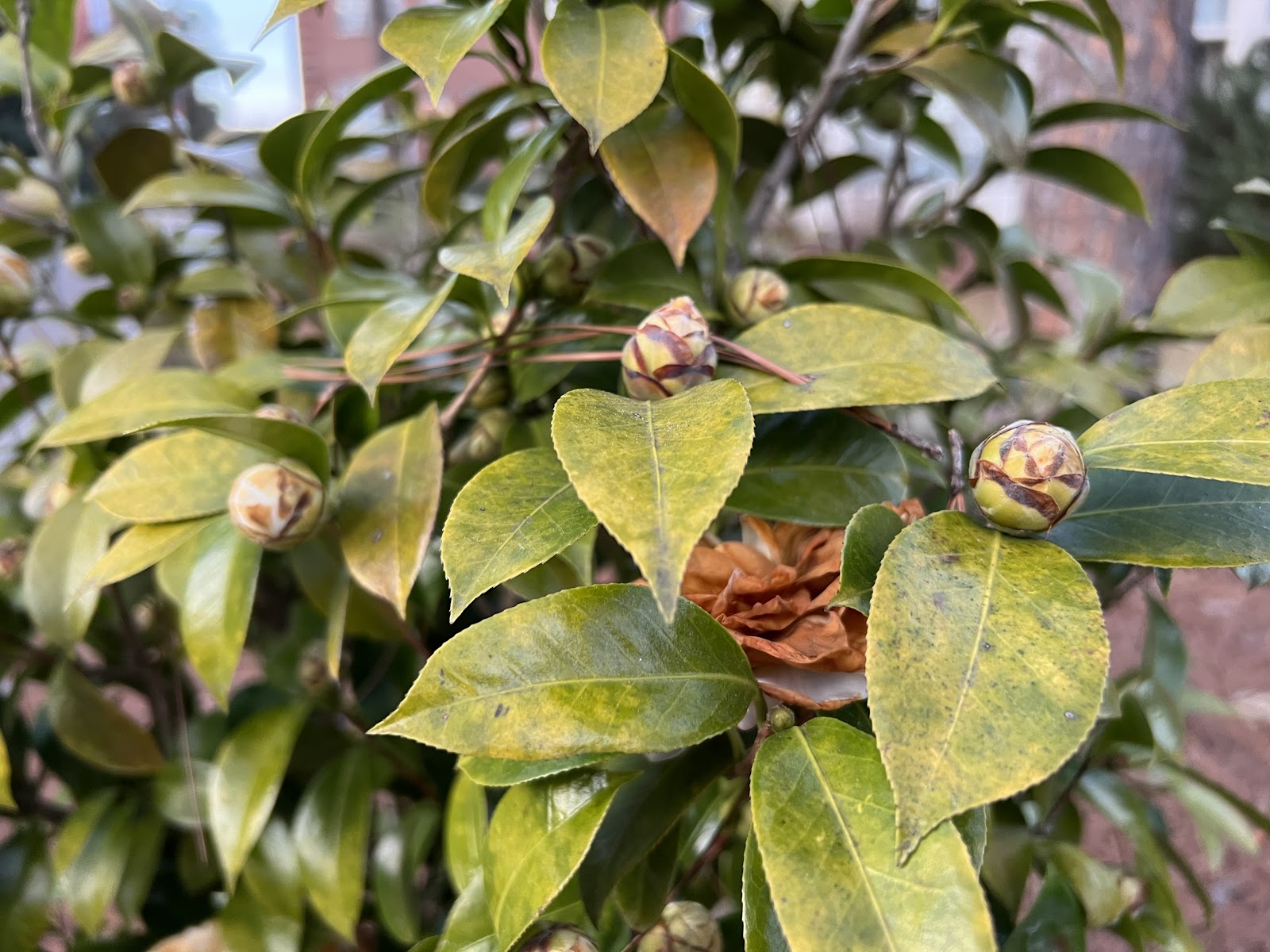
Warmth through the beginning of this year caused blueberry plants to flower early. The flowers eventually turn into the blueberry fruit we eat. A cold snap however, devastates this growth and diminishes the crop, which has happened in recent years.  

John Marshall, the owner of Marshall’s Farm in Statesboro, grows blueberries and muscadine grapes. He explained the process of how most fruits are grown and produced. 

Before the fruit starts to flower, the plant needs a certain amount of chill hours, which are every hour that is below 45 degrees after the plant loses its leaves (or defoliated). Blueberries only need 200 to 300 chill hours before they are ready to break dormancy and flower. 

Since this specific fruit quickly fills the chill hour requirement, when there is an extended period of warm weather followed by a cold snap, all of the flowering that occurred during this time freezes over, which kills the fruit. 

If the effects of climate change were not a problem, the weather would get cold and stay cold, and premature flowering would not be an issue. 

So that has happened to me three times out of the last three years, three out of three,” Marshall said. 

When he has no crop or a diminished crop, he has nothing to sell and does not make any money.

Marshall is hoping this does not occur this year. 

Rusty Bell owns Bell Farms in Claxton, Georgia, where they grow rabbiteye blueberries and make wine out of it. Since this blueberry type is a later variety, they have not started blooming yet. Bell is more worried about a freeze coming in late February, early March since this affects his growth. 

“I was in the seventh grade, about 40 or 50 years ago, when we learned that we were coming out of an ice age and we're building into you know, warmer climate anyway,” Bill said when asked about the impact of climate change on the agriculture industry.

Marshall also agreed that there is not much farmers can do to control unpredictable weather due to climate change, even though it has become “politically popular” according to him.

“Weather is going to happen, no matter what,” said Marshall. “No matter what we do one way or the other, so you just have to adapt to it rather than try to manipulate it.” 

As temperatures change, crops are moving north that would not be possible to grow in the past because of colder winters. This can be seen in Statesboro with Franklin's Citrus Farm.

“In this case, our economy is benefiting from the warmer temperatures with the new orange and grapefruit crops, but other crops may be suffering due to the heat,” Leege said. 

As Southeast Georgia becomes hotter and hotter, farmers are prepared to change their crop to citrus instead of what can typically be found here, blueberries. 

“If it gets too warm, I'll throw something that does better in warm weather, if I'm still alive,” said Marshall. “If it gets too cold, just plant something that does well in cold weather.”

Leege stated that all farmers really can do is be flexible with when they plant their crops, where they may need to plant earlier in warmer years. They also should irrigate more to compensate for drought issues. 

The blueberry industry in Georgia has grown immensely over the past few years, where blueberry export revenues jumped from $0.44 million in 2018 to $5.6 million in 2021, according to “EastFruit”.

However, consumers of crops, like blueberries, that are impacted by climate change need to prepare to pay more for them since they are in shorter supply and for them to possibly not be 
available to purchase.